Faceless channel automation works when your process is explicit. A strong workflow is not just editing faster, it is publishing high-quality videos on a predictable weekly cadence.
Workflow Overview
A reliable faceless channel automation system has six stages:
- topic and keyword planning
- script production
- voice and media assembly
- editing and captioning
- packaging and upload
- analytics and iteration
Each stage needs clear owners, templates, and quality checks.

Stage 1: Topic Planning for Automated YouTube Videos
- define one audience promise
- map 20-30 topic ideas per month
- group topics by search intent and viewer outcomes
Planning by intent helps titles and hooks perform more consistently.
Stage 2: Script SOP
Use one script template:
- hook
- context
- 3-5 actionable points
- recap
- CTA
Keep average script structure stable so edits become faster over time.
Stage 3: Production Pipeline
- generate voiceover draft
- collect B-roll or screen assets
- apply timeline and caption templates
- deliver platform-ready output

For starter tools, see YouTube Automation Tools: AI Stack for Automated Channels (2026).
Stage 4: Packaging Rules
Before publishing, verify:
- title promise matches first 15 seconds
- thumbnail has one clear visual focus
- opening hook confirms viewer intent quickly
Packaging quality is usually a bigger growth lever than adding more tools.

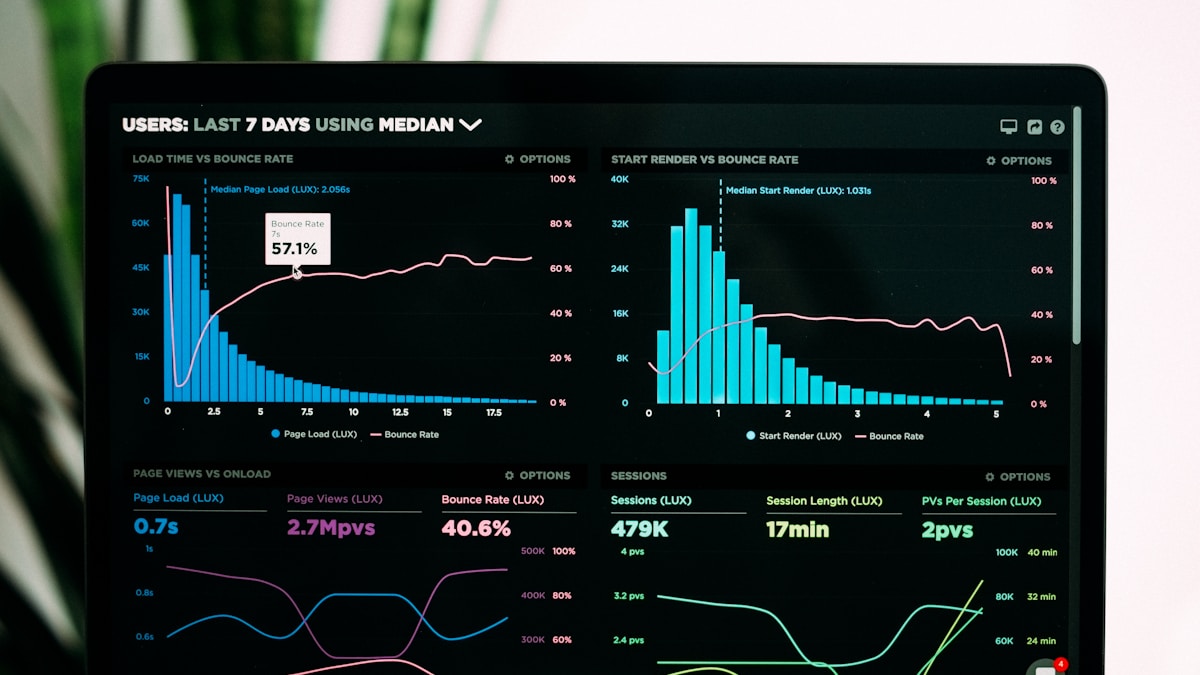
Stage 5: Weekly Analytics Loop
Track weekly:
- CTR
- audience retention
- average view duration
- top drop-off timestamps
Then update only one variable per batch (title angle, hook style, pacing, or niche slice).
30-Day Faceless Workflow Plan
Week 1
Set niche scope, topic map, and production templates.
Week 2
Produce and review first batch of 3 videos.
Week 3
Publish consistently and collect retention insights.
Week 4
Refine templates and plan the next month from data.
FAQ
Can one person run faceless channel automation?
Yes. Start with a minimal stack and clear SOPs, then add support only after you validate weekly output.
How many videos should I publish per week?
Use the cadence you can maintain without quality collapse. For most beginners, 1-3 uploads weekly is realistic.
Does automation mean no manual work?
No. Automation reduces repetitive tasks, but strategy and quality control still require active decisions.